
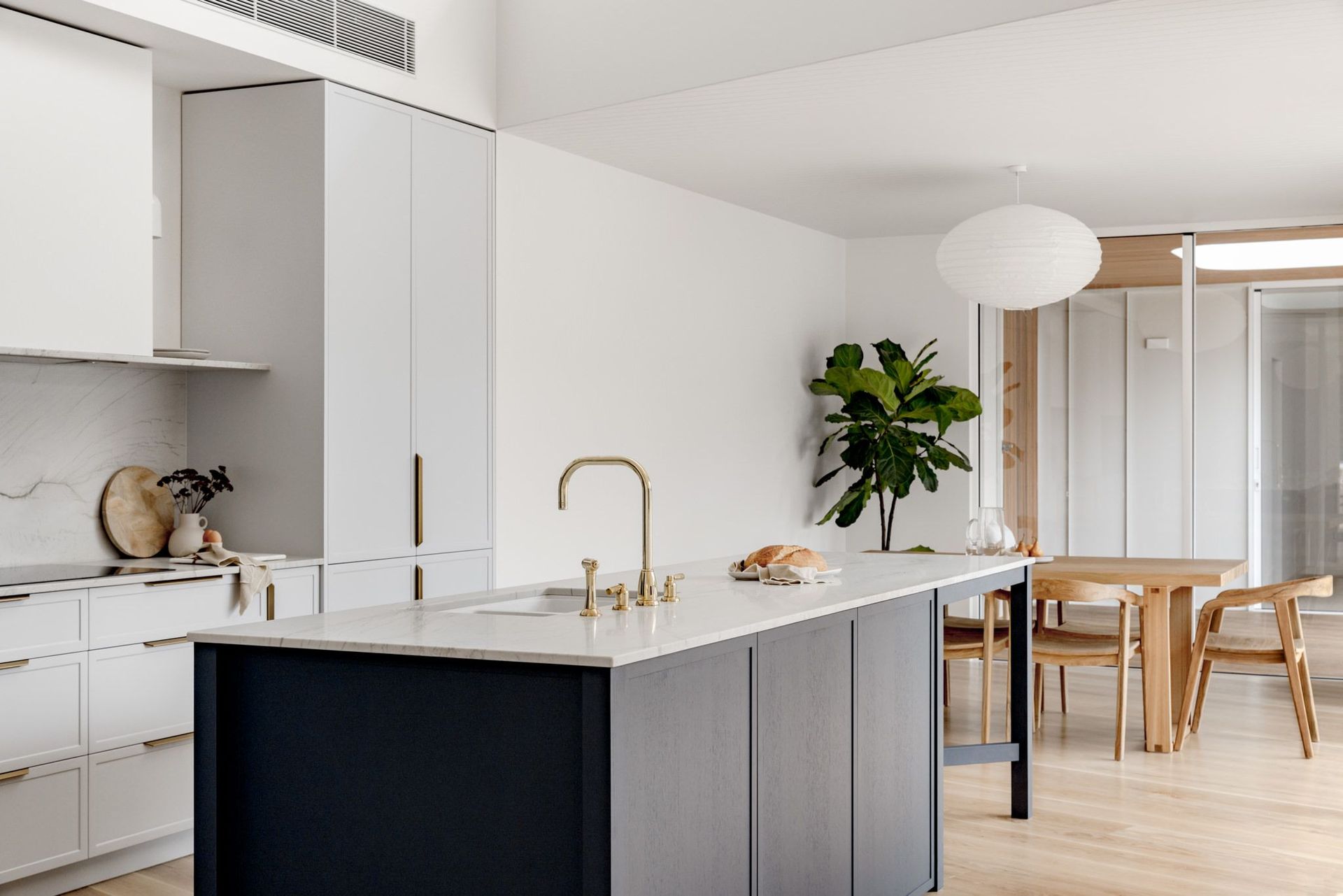
Learn why stone splashbacks are becoming a popular alternative to tiles. Discover durability, style options and installation benefits.
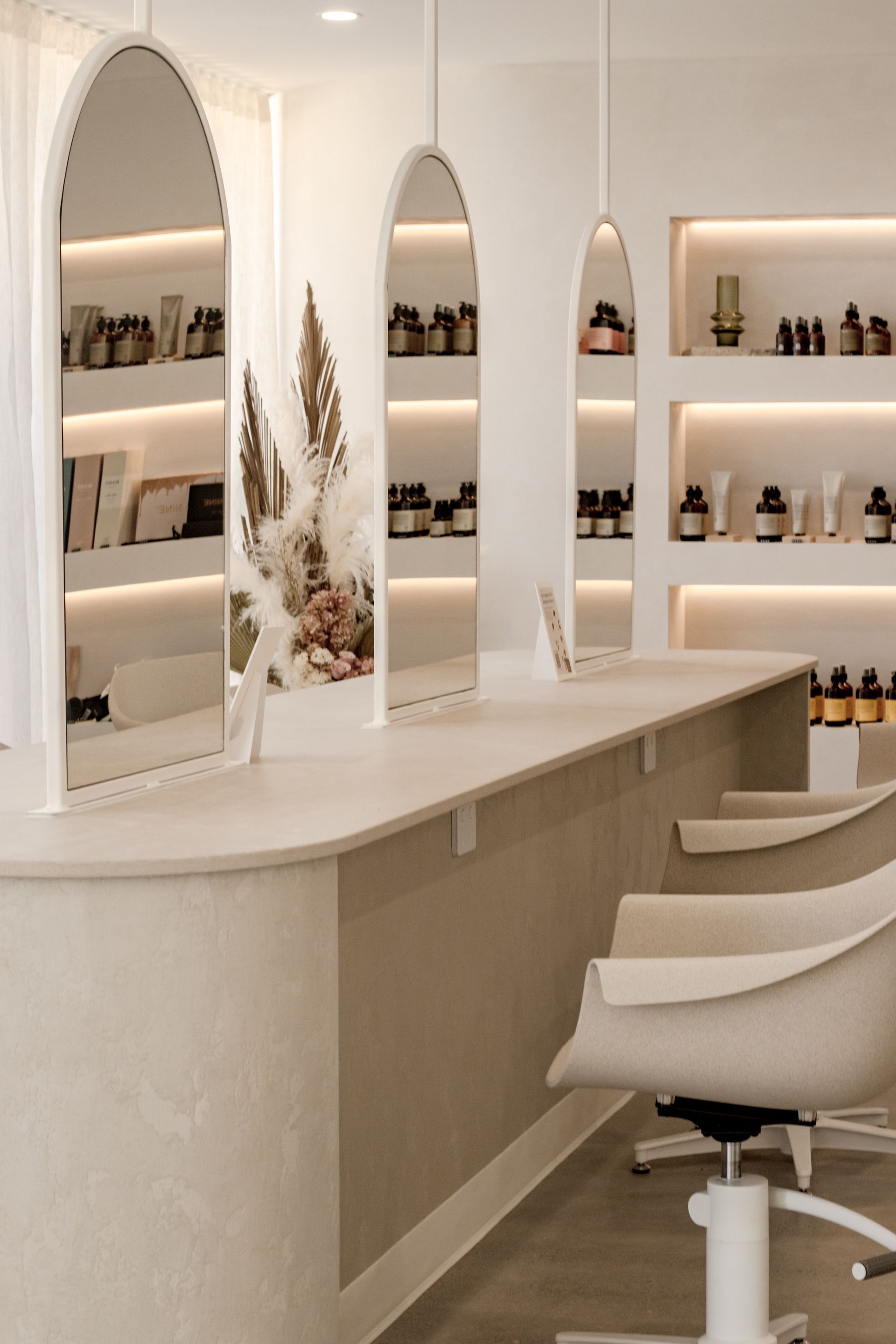
Learn how HVGM measures, fabricates and installs custom stone benchtops. Understand timelines, cutouts, edging and finishing.
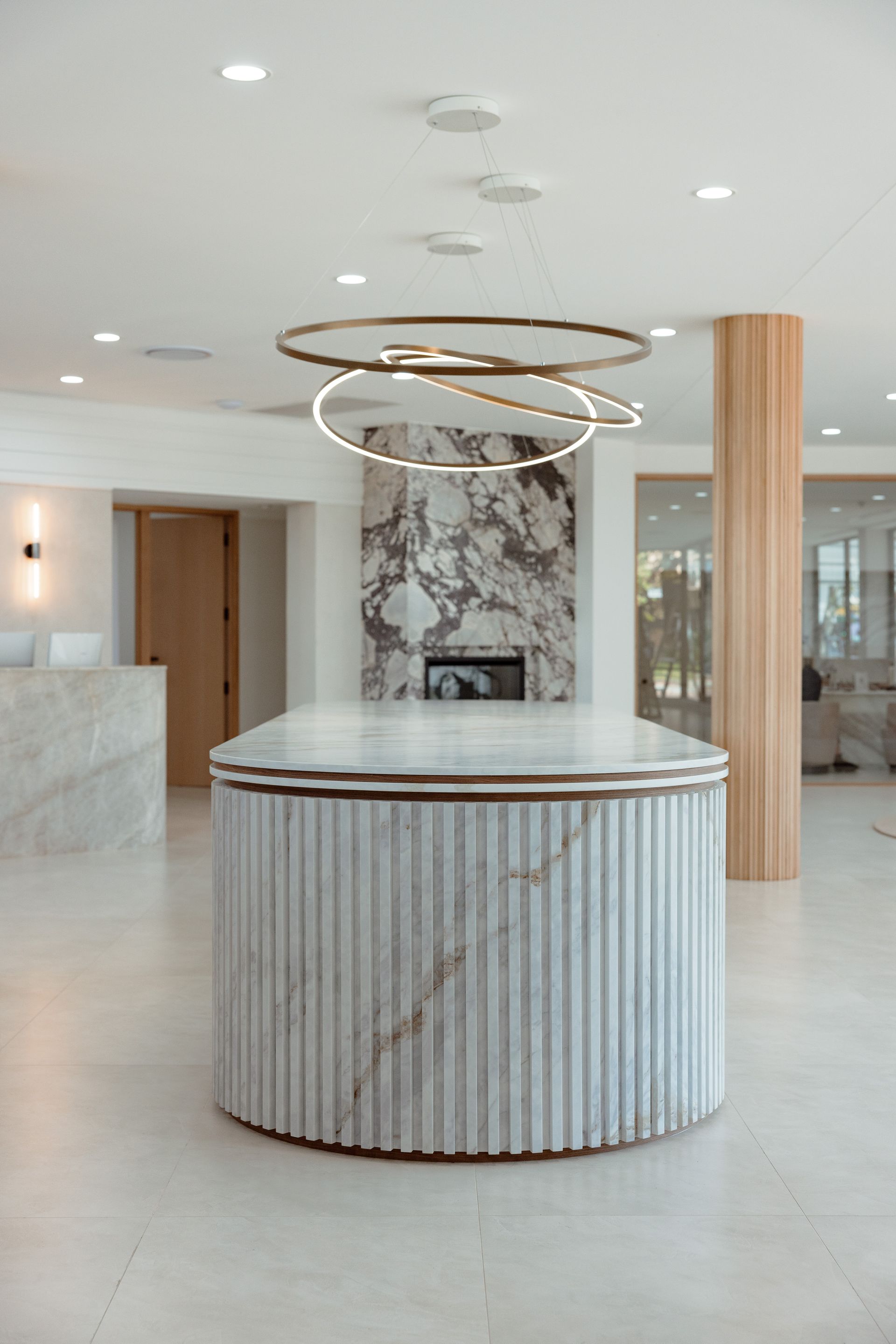
Discover how stone feature walls and fireplace surrounds add style and value to homes across Newcastle and the Hunter Valley. Learn material options and design ideas.
Choosing a benchtop for a busy kitchen can feel overwhelming. Newcastle and Hunter Valley families often want a surface that looks great while handling spills, heat, scratches and daily use. Quartz, granite and porcelain are the most popular materials, but each offers different benefits. Quartz (engineered stone) Quartz is low maintenance, stain resistant and consistent in colour. It suits families who want a clean, uniform aesthetic. Avoid placing hot pans directly on the surface. It is ideal for indoor kitchens. Granite (natural stone) Granite is extremely durable and unique due to natural patterns. It handles heat better than quartz but requires periodic sealing to maintain stain resistance. Granite suits families who prefer a natural, long lasting material with character. Porcelain Porcelain is highly heat, stain and scratch resistant. It performs well in busy homes and open plan kitchens. It also suits outdoor kitchens because it withstands UV exposure. Porcelain can mimic marble, concrete or natural stone. How to choose for your household Consider your habits. Families who cook daily may prefer heat resistant granite or porcelain. Households that want consistent colour and minimal maintenance may prefer quartz. For outdoor zones, porcelain or granite is the best option. For help comparing samples, HVGM can show you each stone type and explain how they perform in real homes.

Learn which stone materials suit outdoor kitchens in Newcastle. Understand weather resistance, sealing needs and design considerations for alfresco benchtops.
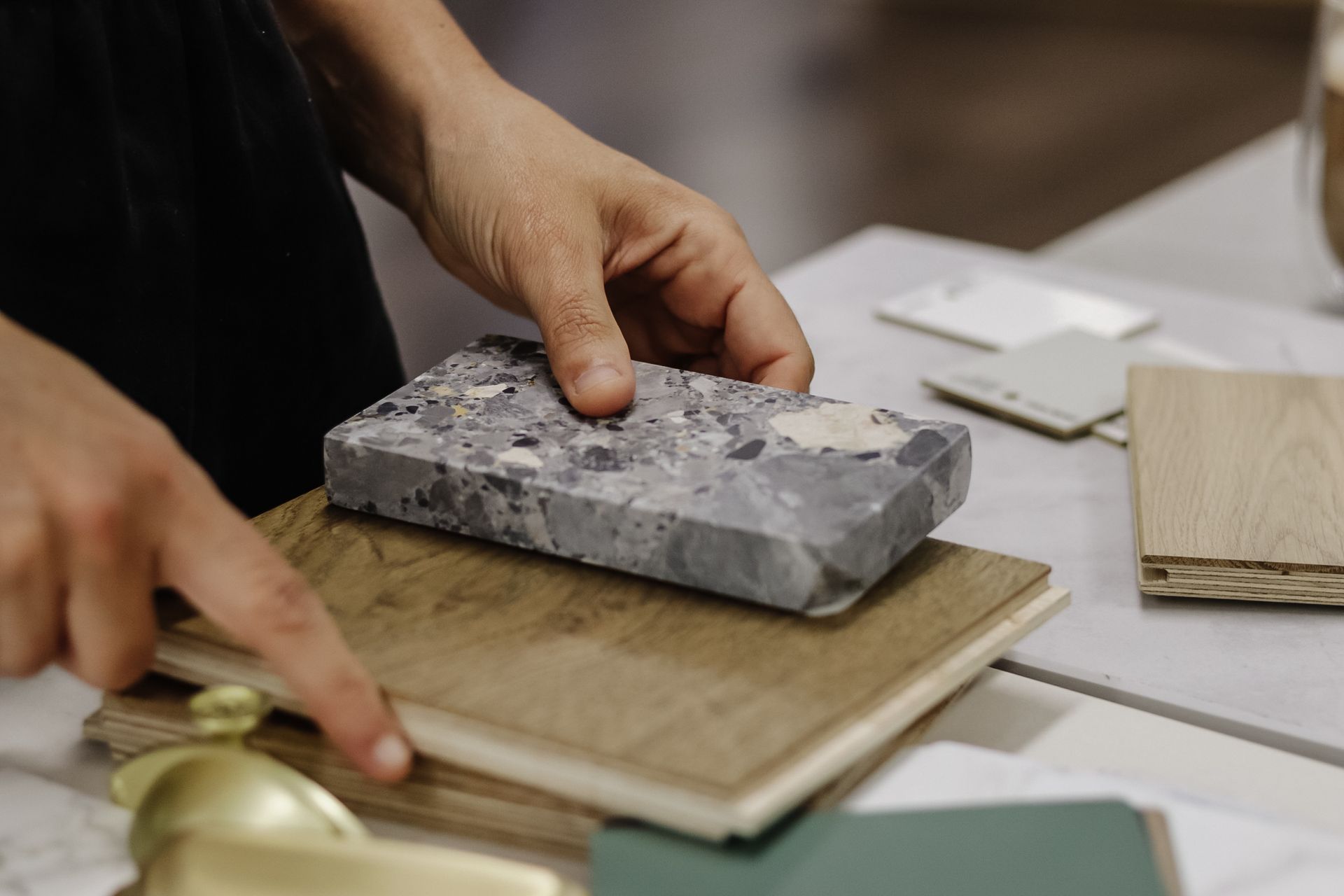
Explore 2025 kitchen and bathroom stone benchtop colour trends. From warm neutrals to bold veining, discover what suits your Newcastle or Hunter Valley home.
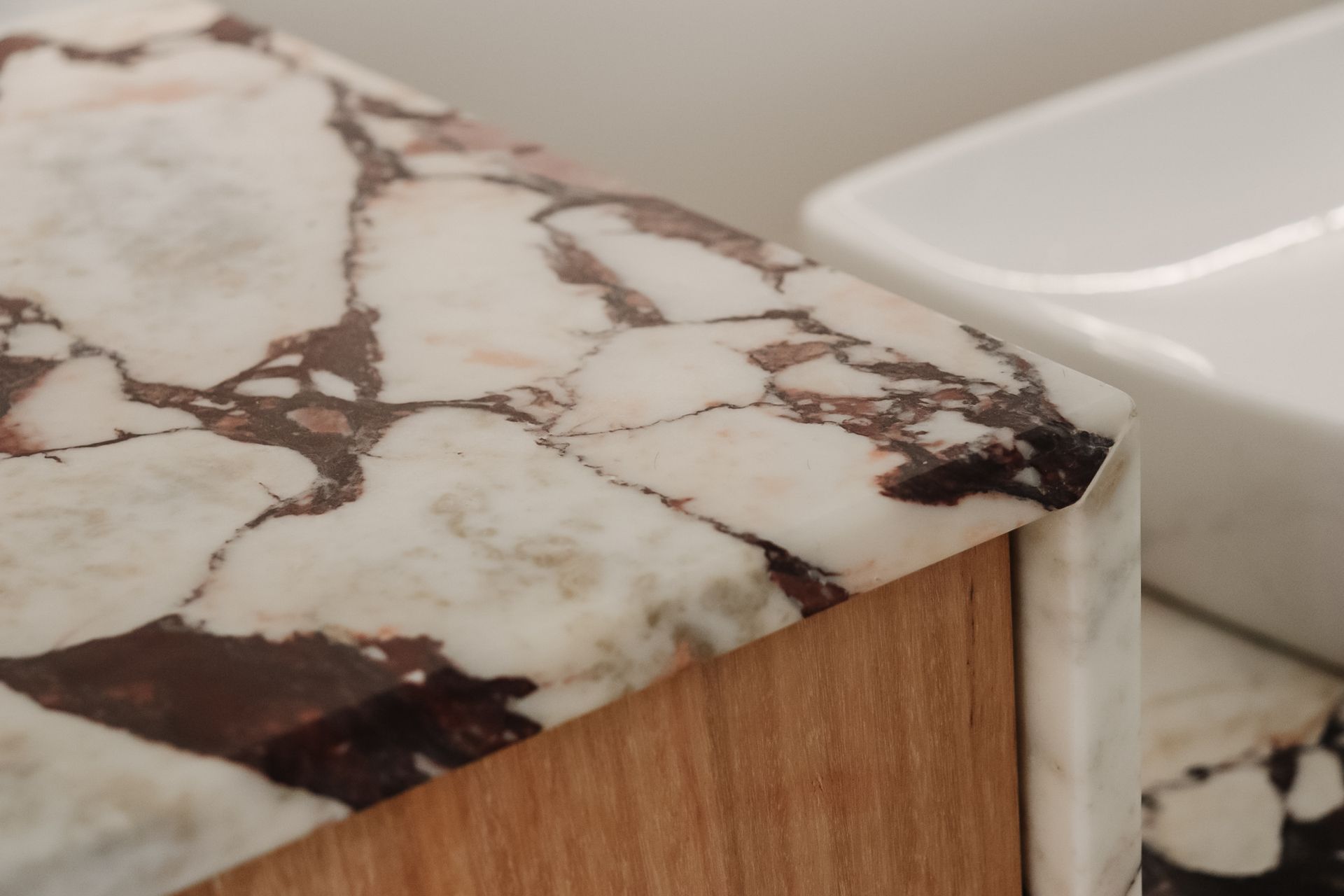
Installing a stone benchtop or surface is a big investment. To protect that investment and ensure lasting beauty, proper care and maintenance are essential. Whether you choose natural granite or quartz or porcelain engineered stone, understanding care requirements helps avoid stains, damage or premature wear. At Hunter Valley Granite & Marble we want every installation to last decades, so we recommend a few simple maintenance habits. hvgm.com.au+2hvgm.com.au+2 Cleaning and Everyday Care Use a soft cloth or sponge with a mild, pH-neutral detergent for daily cleaning. Avoid abrasive sponges or harsh chemicals which may damage sealants or surface finish. Clean spills immediately — especially acidic substances like wine, tomato sauce or cleaning products — to avoid staining or etching in natural stone. For quartz or engineered stone: these materials resist stains and are generally low maintenance. However, avoid strong solvents or cleaners with bleach. Sealing and Periodic Maintenance Natural stone surfaces (granite, marble) benefit from sealing. Check with your installer about recommended seal intervals. After sealing, avoid placing hot pots directly on the surface — even if granite is heat resistant, sudden temperature changes can stress the stone or adhesive. Use cutting boards or chopping mats rather than chopping directly on the benchtop — this prevents scratches even on hard stones. Long-Term Care and Inspection Wipe and dry surfaces after cleaning to avoid water marks or mineral deposits. Avoid dragging heavy or sharp objects across the surface — over time, small scratches accumulate. For outdoor stone surfaces: if installed outside, rinse occasionally, especially if exposed to salt air or coastal humidity common around the Hunter Valley and Central Coast regions. Proper maintenance keeps your stone surfaces looking new and preserves value. At HVGM we supply premium materials and provide guidance on care, whether for kitchens, bathrooms, laundries or commercial settings. If you’d like a maintenance checklist or guidance for stonework in your home or business, contact HVGM . We’re happy to help you get the most out of your investment.
See how commercial-grade stone benchtops, bar fronts and cabinetry elevate retail, hospitality and offices in Newcastle and Hunter Valley. Learn about durability and design benefits.
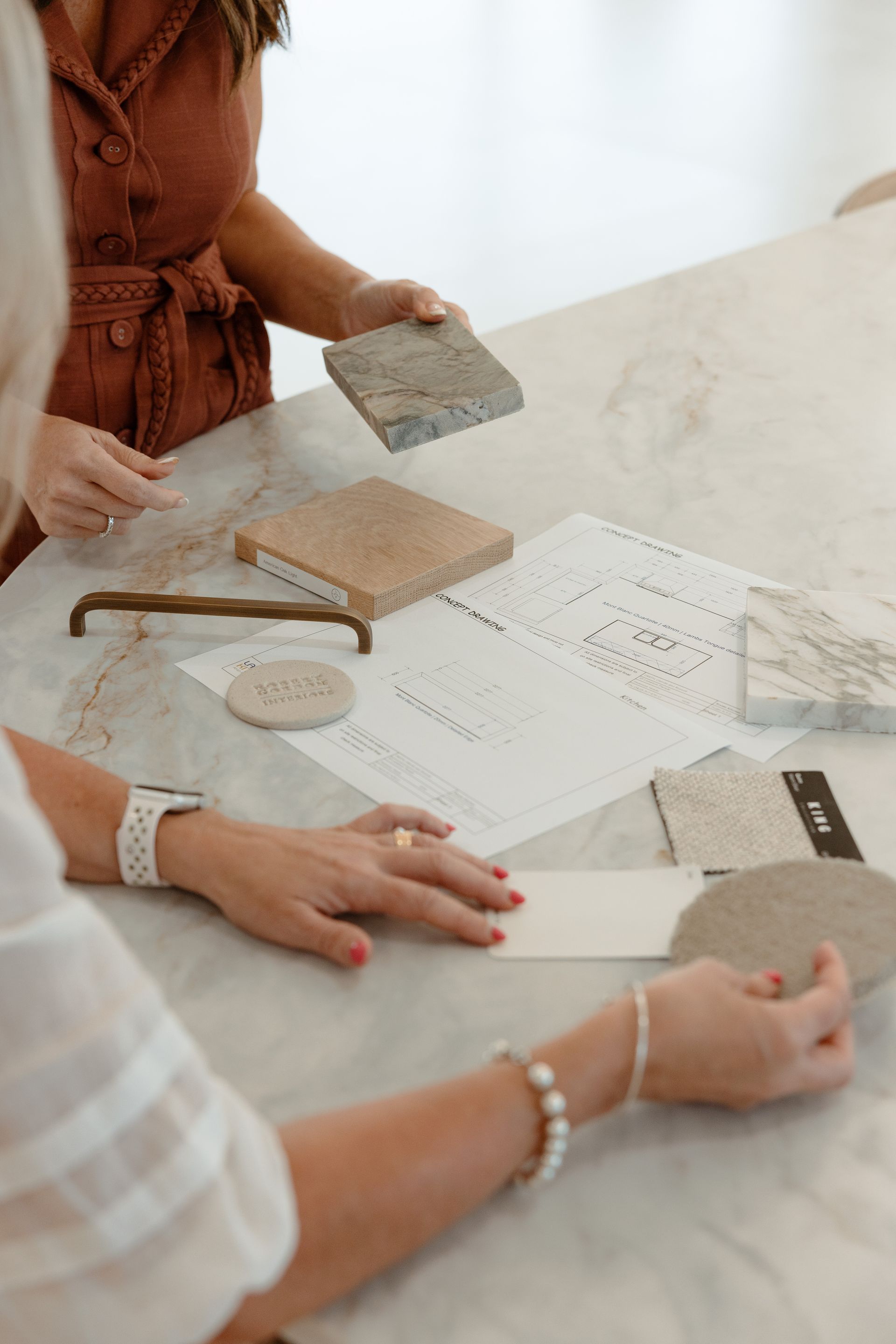
Compare granite, quartz, porcelain and marble benchtops for kitchens in Newcastle, Hunter Valley and Central Coast. Learn which material suits your lifestyle, budget and maintenance needs.